Soap making with natural clays offers color, texture, and skin-loving minerals. This guide highlights five popular clay options from trusted brands that are well-suited for DIY soaps and masks. Each product brings unique color and cleansing properties, helping you customize recipes for different skin needs. Below you’ll find quick product overviews, a comparison table, and a buying guide to help you choose the right clay for your projects.
Summary Table Of Selected Products
| Product | Brand | Size | Key Benefit |
|---|---|---|---|
| Pack Of 5 Clays For Mask Making & Soap Making | YOGI’S GIFT | 8 oz each (5 varieties) | Variety pack with rose, French green, kaolin, Moroccan red, bentonite |
| Bare Essentials Living White Kaolin Clay Powder (2 lb) | Bare Essentials Living | 2 lb | Pure cosmetic-grade kaolin for soaps, masks, and skincare |
| Pack Of 10 Clays For Mask Making & Soap Making | YOGI’S GIFT | 8 oz each (10 varieties) | Extensive color range for creative soaps and masks |
| Pack Of 5 Cosmetic Clays For Soap Making | YOGI’S GIFT | 8 oz each | Colorful clays including Multani Mitti, Rhassoul, Dead Sea Mud |
| Herbs Botanica French Pink Clay Powder | Herbs Botanica | 150 g (5.3 oz) | Gentle rose clay with detox and soothing properties |
Pack Of 5 Clays For Mask Making & Soap Making

The five-clay set includes Rose Clay, French Green Clay, Kaolin, Moroccan Red, and Bentonite. Each 8 oz pouch is finely ground for easy dispersion in water or apple cider vinegar, creating smooth pastes ideal for soaps and facial masks. The diverse color range helps craft visually appealing products while offering a spectrum of cleansing and absorbing properties. This budget-friendly pack suits repeat DIY projects or testing multiple formulations.
Bare Essentials Living White Kaolin Clay Powder

White Kaolin Clay Powder is 100% natural and cosmetic-grade, suited for soaps, masks, lotions, and bath bombs. Its gentle formulation makes it appropriate for all skin types, including sensitive skin. The two-pound bag offers generous quantity for ongoing projects, providing a reliable base clay for cleansing and skin-softening formulations. Ideal for soap making and as a multi-use cosmetic powder.
Pack Of 10 Clays For Mask Making & Soap Making

This value pack expands options with ten different clays, each supplied as 8 oz portions. The clays are finely ground for easily forming pastes when mixed with water or apple cider vinegar. The broad color and texture variety makes it easier to design custom soaps and masks that cater to various skin needs and aesthetic preferences.
Pack Of 5 Cosmetic Clay Powders

This colorful set features Multani Mitti, Rhassoul, Dead Sea Mud, and Yellow and Purple clays. Finely ground for smooth application, these clays mix well with water or acids to form a paste that can be used in soaps and masks. The purple and yellow varieties add vibrant hues to handmade products, while Rhassoul contributes mineral-rich cleansing properties.
Herbs Botanica French Pink Clay Powder
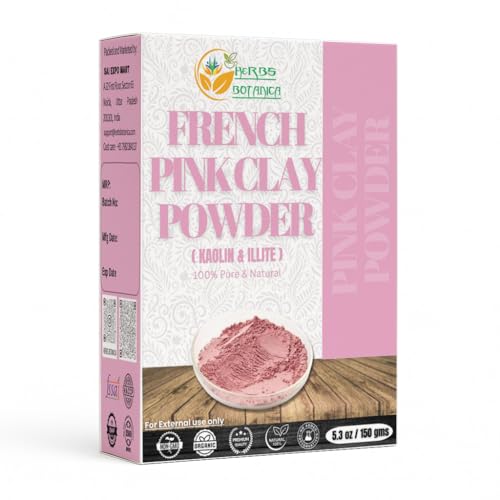
French Pink Clay is a Montmorillonite and Kaolin blend offering gentle exfoliation and nourishment. It’s suitable for detoxifying facial masks and soap formulations, providing a calming, hydrating effect. The powder’s fine texture makes it easy to incorporate into recipes without compromising skin comfort. This clay supports a balanced, radiant complexion when used in skincare products.
Buying Guide: Key Purchase Considerations For Clay Used In Soaps
- Color and mineral content: Different clays offer distinct minerals and colors that impact both aesthetics and skin benefits. Pink, red, green, and yellow clays each bring unique cleansing and nourishing properties.
- Texture and grind size: Finely ground clays mix into pastes smoothly, reducing grittiness in soaps and masks. Fine textures aid even dispersion in water or vinegar.
- Purity and cosmetic-grade quality: For skin contact, choose cosmetic-grade or food-grade clays without additives or preservatives to minimize irritation or reactions.
- Usage versatility: Some clays are excellent for both soaps and facial masks, while others may excel in one application. Consider your intended products (soap bars, liquid soaps, masks) when selecting.
- Quantity and storage: Larger bags or multi-pack options reduce reordering frequency. Store away from moisture and direct sunlight to preserve clay quality.
- Allergen and sensitivity considerations: People with sensitive or reactive skin may prefer milder clays such as kaolin or rose-based clays, which tend to be gentler on skin.
- Color perks for branding: If you make handmade soaps as gifts or for sale, colored clays can enhance visual appeal and customer experience.
- Compatibility with bases: Test clays with your preferred soap base (glycerin, oils, or melt-and-pour) to ensure proper thickening and texture.
Recommended Formulations And Practical Tips
- Begin with a small test batch to observe how a clay behaves in your base. Adjust water or vinegar amounts to reach your desired paste consistency.
- Combine two complementary clays to balance oil absorption with gentle cleansing. For example, a pink clay with white kaolin can offer color and mild exfoliation without over-drying.
- For color-rich soaps, add clays gradually to reach the intended hue. Remember that color depth can darken slightly as it cures.
- Always perform a patch test for sensitive users to ensure there are no adverse reactions to the clay blend.
- Consider fragrance or essential oils after the clay base is prepared to preserve the clay’s functional properties.