The market offers a range of conductive threads and glove-ready solutions for wearable electronics. This guide highlights five standout options optimized for glove projects, from stainless steel threads designed for wearables to sticker-based touchscreen solutions. Each choice balances conductivity, durability, and ease of use to help you pick the best fit for your e-textile gloves.
| Product | Brand | Key Benefit |
|---|---|---|
| Treedix 316L Conductive Thin Thread (Gloves) | Treedix | Strong, low-resistivity for glove projects |
| Treedix 316L Conductive Thin Thread (Reflective) | Treedix | Reflective, durable for LEDs and warmth |
| Adafruit Stainless Thin Conductive Thread – 2 Ply | Adafruit | 316L stainless steel, suitable for wearables |
| GloveTacts Ultra Thin Touch Screen Stickers | GloveTacts | Turns ordinary gloves into touchscreen gear |
| Mayata 316L Conductive Thread (2 Pcs) | Mayata | Low-resistance, metal bobbin, easy for Arduino |
Treedix 316L Conductive Thin Thread for Gloves

This Treedix option uses 316L stainless steel to deliver reliable conductivity and mechanical strength for glove-based e-textiles. The thread design emphasizes low resistivity, enabling LED control and other lightweight electronics without significant power loss. Its stainless composition also supports stable electrical performance across a range of temperatures, making it suitable for wearables that experience movement and heat buildup. The product line includes variants specifically marketed for gloves, helping ensure smooth sewing with durable results in wearable projects.
Key considerations for this choice include its resistance to wear and temperature, which matters when gloves flex and bend during use. For glove makers who want a balance between sewability and electrical performance, this option provides a straightforward path to integrating sensors or small LEDs into glove designs. The stainless construction helps maintain consistent performance, though users should note that stainless threads can feel stiffer than standard textile threads and may require appropriate needle sizing and tension settings on sewing machines.
Treedix 316L Conductive Thread, Reflective 4 Ply
This 4-ply Treedix thread combines conductive stainless steel with a reflective finish, broadening its use beyond simple circuits to include visible signaling for safety gear and gear-mounted LEDs. Its low resistivity supports modest current draw, making it suitable for small LED indicators and signal lines embedded in glove fabrics. The 316L stainless steel provides strength to withstand repeated flexing as gloves conform to hand movements. Designers should account for the reflective texture when layering with fabric to avoid bulk or friction at seams.
For glove projects that require a protective edge around traces or want to incorporate reflective aesthetics, this option offers both electrical performance and enhanced visibility. While more specialized, it remains compatible with common sewing techniques and standard sewing equipment, provided the correct needle and presser foot are used to accommodate tougher 4-ply construction.
Adafruit Stainless Thin Conductive Thread – 2 Ply
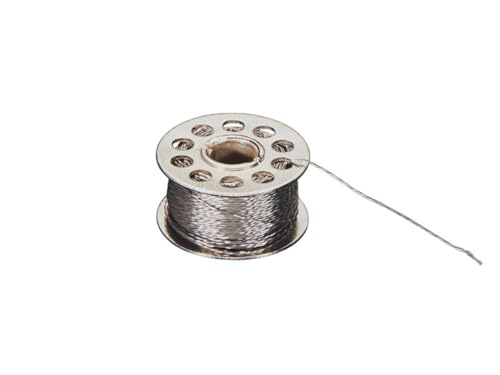
Adafruit offers a 2-ply stainless thread built from 316L stainless steel. It’s known for its smooth texture and suitability for wearables, where a thread can be sewn by hand or with a machine capable of handling heavier threads. The material’s resistivity—roughly in the tens of ohms per foot range—lets you drive small LEDs and similar components without complicated wiring. The 23-meter length per spool provides a practical amount for glove projects that include multiple seams or circuit runs along finger compartments and the glove back.
The main advantage here is a balance between tensile strength, comfort against the skin, and electrical performance. However, users should anticipate requiring needles and settings appropriate for metal-rich threads. Due to the steel content, eyelets and small needle sizes can reduce the risk of fraying and ensure smoother seam lines in glove fabrics such as knit fleece or Stormshells that are common in winter gloves.
Adafruit Stainless Thin Conductive Yarn / Thick Thread

This Adafruit offering blends both conductance and softness, positioning it as a capable option for gloves that require more flexible threading approaches. The description notes its suitability for touchscreen gloves, leveraging 316L stainless steel to achieve conductivity without sacrificing hand comfort. The 30-foot length is adequate for projects that involve extensive routes of conductive material across the glove surface, including the fingers, knuckles, and back of the hand. Its balance of conductivity and pliability makes it a popular choice for hobbyists who want a more forgiving thread while retaining adequate electrical performance.
When using a threading approach that emphasizes touch sensitivity, this product stands out due to its soft feel. Still, users should verify compatibility with their sewing machine and needles, especially if seducing through multiple layers or heavier glove materials. It’s particularly well-suited to LED-driven patterns where a stable current is desired without a mechanical burden on the fabric.
Mayata 316L Conductive Thread (2 Pcs)

Mayata’s 316L stainless steel thread comes as a two-pack wound on compact bobbins, providing a ready-to-use solution for wearable glove projects. The thread is described as thin, strong, and smooth, with a suitable low resistivity that supports running small LED components or other electronics that operate under modest current. The bobbin design helps organize the project by keeping a reliable source of thread close at hand, reducing interruptions during sewing sessions. This option suits glove builders who want a straightforward, repeatable supply with consistent performance across runs and seams.
Important considerations include maintaining an appropriate machine tension to avoid kinking or fraying when threading through multiple glove layers. The 23-meter length common to bobbin-wound threads offers enough material for iterative testing and final assembly without frequent re-spooling. For hobbyists and educators working on LilyPad or Arduino projects, this thread provides a dependable pathway to integrate simple sensors and indicators into gloves.
Buying Guide: Key Purchase Considerations For Glove-Ready Conductive Threads
- Conductivity and resistivity: Lower resistance per meter supports brighter LEDs and steadier signals. Compare typical resistance values across threads to estimate current draw for your intended components.
- Material and durability: Stainless steel (316L) offers strong conductivity and resilience under washing and flexing, but it can be stiffer. Consider glove material and sewing method when choosing between thread, yarn, or sticker solutions.
- Thread construction: Single-ply versus multi-ply constructions affect sewability and bulk. For delicate glove fabrics, thinner threads or 2-ply options may reduce seam bulk and improve wear comfort.
- Ease of sewing: Heavier threads may require larger needles and higher presser foot clearance. Verify machine compatibility and test stitch tension to avoid thread breakage or fabric damage.
- Application scope: For touch-enabled gloves, consider whether the project needs only conductivity, or also tactile performance such as touchscreen responsiveness, visibility of LED indicators, or reflective elements.
- Suitability for washing: If gloves will be washed, select threads with good adhesion to fabrics or choose compatible protective coatings or surface treatments to maintain conductivity.
- Longevity and safety: Ensure threads are securely anchored at junctions and consider insulation or gentle encasement to prevent short circuits in high-movement areas (fingers, knuckles).
- Availability and sourcing: Spool length and packaging (bobbin vs. loose) influence project planning. Consider whether you need extra stock for multiple prototypes or long-term wearables.
- Cost-to-performance balance: While stainless threads offer durability and conductivity, some users may prioritize flexibility or ease of use. Align material choice with project goals, whether it’s a quick prototype or a durable, reusable glove system.
In sum, the five selections above cover a spectrum of glove-friendly conductive options—from ultra-thin stainless threads designed for sensitive touch interactions to sticker-based solutions that sidestep threading challenges. When choosing, weigh conductivity against sewability, glove fabric compatibility, and the intended electronics to achieve reliable performance in real-world use.