Choosing the right emulsion is essential for sharp details, clean print passes, and easy screen reclaiming. This guide highlights reliable emulsions designed for both water-based and plastisol inks, with options for beginners and seasoned printers. Each product below is pre-sensitized or premixed for straightforward use, helping you achieve consistent results across projects.
| Product | Brand | Type | Notes |
|---|---|---|---|
| Ecotex Beginner Emulsion (8 oz.) | Screen Print Direct | Pre-Sensitized | Great for starters; versatile with plastisol and water-based inks |
| Ecotex AP Blue (Quart) | Ecotex | Pre-Sensitized | Easy to apply; compatible with plastisol and UV inks |
| Ecotex PWR Emulsion (Quart) | Screen Print Direct | Pre-Sensitized | Designed for water-based and plastisol inks |
| Ecotex Tex-Red (Quart) | Screen Print Direct | Pre-Sensitized | Durable and easy coverage for multiple inks |
| Caydo Screen Printing Photo Emulsion (8.5 oz) | Caydo | Pre-Sensitized | Kit with sensitizer; suited for beginners |
Whether you’re running a small shop, a home studio, or just exploring screen printing as a hobby, the emulsions below are geared toward dependable performances without complicated preparation. Read on to compare core features, recommended usage, and what to consider when selecting an emulsion for your setup.
Ecotex Beginner Emulsion

Ecotex Beginner Emulsion is designed to work seamlessly with both plastisol and water-based inks, making it a versatile option for mixed media projects. The emulsion is pre-mixed, pre-sensitized, and ready to use right out of the bottle, which reduces setup time and helps beginners avoid common dosing mistakes. The 8 oz. purple formulation is water-resistant, supporting multiple print passes without excessive drying or smudging. Its compatibility with a range of emulsion tools, including compatible scoop coaters, streamlines coverage and reduces uneven edges. Ideal for learning environments or smaller runs, this emulsion emphasizes ease of use and dependable results.
Key features include: water resistance, ready-to-use pre-sensitized formula, and broad ink compatibility. For users who frequently switch between plastisol and water-based inks, this emulsion provides a confident starting point with predictable exposure and curing behavior. When paired with appropriate exposure equipment, it helps maintain clean detail on fabrics and screens, reducing the need for frequent re-exposure or re-masking.
Ecotex AP Blue Pre-Sensitized Emulsion
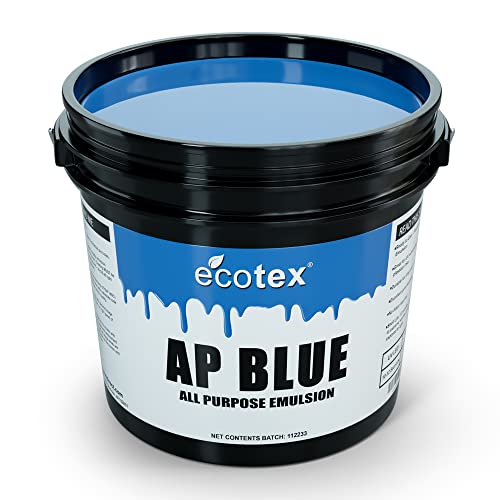
The AP Blue version from Ecotex is another reliable, premixed emulsion that is easy to apply directly onto screens. Its pre-sensitized design reduces the guesswork around exposure times and film hardness, which can be especially helpful for printers who maintain a schedule and want consistent results. This emulsion is compatible with plastisol inks and UV inks, broadening its use in different workflows. For screen reclaiming, consider pairing with an emulsion remover to restore your mesh for subsequent jobs.
Important considerations include the need for a proper emulsion exposure unit and the recommended curing approach. The product description emphasizes long-term durability when used with your chosen emulsion exposure setup, and it advises using an emulsion scoop coater for clean, even coverage. If you work with multiple mesh counts, this emulsion can maintain sharp detail across varying screen tensions with proper exposure control.
Ecotex PWR Emulsion

Ecotex PWR Emulsion emphasizes versatility for both water-based and plastisol inks. It is pre-mixed and ready to use, with water-resistance designed to withstand repeated squeegee passes. This makes it a solid choice for printers who frequently layer designs or work on fabrics that require multiple passes to achieve solid fills. The product page highlights compatibility with a broad range of screen printing kits and recommends using a quality scoop coater to ensure even coverage, which helps achieve consistent results across multiple screens.
From a durability perspective, PWR is designed for long use and durable resistance to washout after exposure. As with all emulsions, achieving precise results depends on the exposure unit performance, room lighting, and ink curing parameters. For those building a multi-ink workflow, PWR offers a flexible option that supports both common ink types without requiring a separate emulsion for each ink family.
Ecotex Tex-Red Emulsion

Tex-Red Emulsion from Ecotex is presented as a simple, premixed solution ready for immediate use. It is designed for long use with compatible silk screen kits and can be cured using an emulsion exposure unit or a DIY light setup. The emphasis on ease of use makes it appealing to printers who want reliable performance without extensive preparation steps. Its compatibility with plastisol inks and UV inks broadens its application scope for different print jobs and materials.
In practice, Tex-Red tends to deliver durable edges and good reactivity to exposure times, particularly when paired with a clean scoop coating technique. For shops that need repeatable results under varying lighting conditions, Tex-Red offers a dependable baseline emulsion that can support consistent detail from run to run.
Caydo Photo Emulsion Kit

The Caydo Screen Printing Photo Emulsion kit provides a complete package for beginners, including a bottle of approximately 8.5 ounces of emulsion, diazo sensitizer, measuring tools, gloves, stir sticks, and instructions. The kit is positioned for easy adoption, with notes emphasizing darkroom handling and UV LED exposure recommendations. The inclusion of a diazo sensitizer allows users to mix emulsion with diazo for photosensitive applications, enabling the creation of detailed images, lettering, and logos on fabrics and screens. As with other premixed emulsions, proper handling and timing play crucial roles in achieving clean, repeatable results.
While Caydo offers a comprehensive starter set, users should be mindful of the sensitizer usage window and the importance of darkroom conditions during the curing and exposure process. The kit’s education-oriented approach makes it suitable for beginners who want a guided path to learning the photo emulsion process and achieving sharp, repeatable outcomes on various substrates.
Buying Guide: Key Purchase Considerations
When selecting an emulsion for screen printing, consider the following factors to ensure you choose a product that fits your workflow and materials:
- Ink compatibility: Prefer emulsions that clearly state compatibility with plastisol, water-based, or UV inks. If your shop uses multiple ink types, a versatile, pre-sensitized option can save time and reduce contamination risks.
- Premixed vs. DIY: Premixed, pre-sensitized emulsions are typically easier for beginners and busy studios, whereas some printers prefer to mix their own for precise control or specialty formulations.
- Durability and washout: Look for emulsions designed to resist washing out during multiple prints and to hold edge detail after exposure. A robust emulsion reduces rework and screen reclaiming efforts.
- Exposure and curing: Ensure you have an appropriate exposure unit and curing method. Some emulsions require specific exposure times or light sources for optimal results.
- Scoop coating recommendations: A quality scoop coater helps achieve even, thin coats across the screen, which improves image fidelity and reduces traces of excess emulsion at the edges.
- Handling and safety: Some emulsions come with sensitizers (and require darkroom handling). Ensure staff are trained and follow safety guidelines when mixing or applying photo emulsions.
Comparing brands, Ecotex emulsions emphasize reliability, broad ink compatibility, and ready-to-use convenience, making them a strong choice for beginners and growing shops. Caydo’s kit approach is also appealing for newcomers who want an all-in-one setup with clear instructions. For established workflows relying on precise exposure control, Tex-Red and AP Blue offer durable options with proven performance in professional environments. Your final decision should align with your ink system, screen mesh counts, exposure equipment, and workflow pace.