Choosing the right exposure unit is essential for precise stencil creation and crisp prints. The following selections emphasize uniform UV output, adjustable stands, and reliable timers to suit various screen sizes and emulsions. This article reviews five well-regarded options, showcasing features, supported by their listed specifications, to help American makers compare performance and value.
| Product | Brand | Key Feature |
|---|---|---|
| Dorhui 50W LED Exposure Unit | Dorhui | 395nm UV, adjustable stand, 360° rotation |
| Caydo 2PCS 50W LED Exposure Set | Caydo | Two lights, two stands, versatile frame sizing |
| ANGOO LED Exposure Unit (50W) | ANGOO | 1-999s timer, easy height/angle adjust |
| UrekaGo UV LED Exposure Unit | UrekaGo | Foldable stand, versatile use, 395nm |
| Screen Print Direct 30W UV LED | Screen Print Direct | Starter kit, precise exposure, 8-12 minutes |
Note: All models listed are 395nm UV-based exposure units designed to accelerate emulsion curing for screen printing and related photo-sensitive processes. Selection balances power, adjustability, and ease of use to fit diverse workshop setups.
Dorhui 50W LED Exposure Unit

The Dorhui exposure unit uses a 50W UV lamp at 395nm, providing uniform illumination to reduce curing times for photosensitive emulsions. Typical exposure is in the range of 3-5 minutes, depending on emulsion thickness. The unit features an adjustable light stand for height and angle, allowing precise positioning to minimize dead spots. A 360-degree rotating light head supports even curing across larger plates, with a projection angle designed to maximize light efficiency. This configuration helps streamline workflow for mid-sized screens and mixed emulsion thicknesses.
Considerations include the need for stable mounting and adequate distance control between lamp and screen. The unit’s design emphasizes ease of use in home studios or small workshops, making it a solid option for printers who want reliable, moderate-capacity exposure without a large footprint.
Caydo 2PCS 50W LED UV Exposure System

The Caydo package includes two 50W LED UV exposure lamps with stands, plus accessories like cable ties and hooks. The system supports two configurations: use a single light for smaller screens (about 10×14 inches) or combine two lights for larger frames (up to 20×24 inches). With a 395nm wavelength, it provides uniform illumination that helps shorten exposure times to roughly 3-5 minutes, depending on emulsion thickness. The kit’s modular design facilitates quick adjustments and rearrangements, which is helpful for shops handling multiple screen sizes or running batch jobs.
Durability and setup convenience are important factors. The Caydo solution aims to deliver flexibility at a moderate price point, making it suitable for hobbyists expanding into more frequent screen-print work or small studios testing different emulsion types.
ANGOO LED Exposure Unit

ANGOO’s exposure unit emphasizes a user-friendly design with a 50W 395nm LED array and a straightforward timer. The device is described as having a foldable or adjustable stand, enabling quick setup and compact storage when not in use. Exposure times are listed around 5-15 minutes, depending on the thickness of the emulsion. The timer and adjustable height/angle features are designed to give printers consistent results across multiple screens, while the “no assembly required” approach reduces setup time for rapid prototyping or classroom settings.
From a performance perspective, the 395nm wavelength supports reliable curing of standard emulsions. For shops working with cyanotypes or light-sensitive coatings, the ANGOO unit offers predictable exposure with minimal calibration overhead, which can improve throughput without sacrificing accuracy.
UrekaGo UV LED Exposure Unit
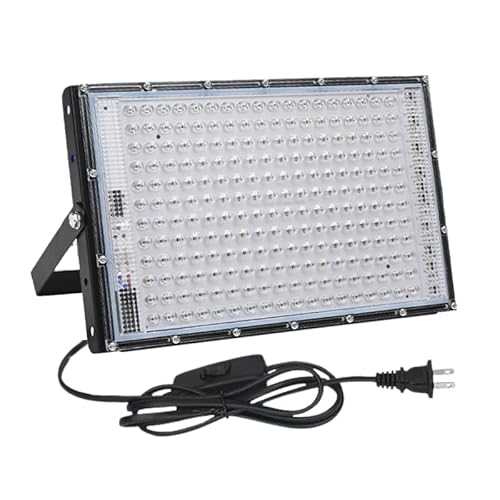
UrekaGo combines a 50W, 395nm UV light with a foldable metal stand designed for stable positioning. The stand’s base is described as heavy and weighted (approximately 750g), reducing the risk of tipping during exposure. The design prioritizes precise angle and height adjustment, allowing users to tailor exposure to the screen size and emulsion thickness. The unit is marketed as multi-purpose, not only for screen printing but also as a stand-alone holder for devices, which can be convenient in multi-use studios or educational settings.
Key considerations include ensuring the base stability for larger frames and verifying that the folding stand maintains alignment after transport. For operators seeking a versatile, space-saving solution with reliable exposure, the UrekaGo model offers a balanced mix of rigidity and flexibility.
Screen Print Direct 30W UV LED Exposure Unit

The Screen Print Direct 30W exposure unit is pitched as a starter kit, suitable for printers new to emulsions or those who want a straightforward setup. It uses a 30W UV LED light and an adjustable stand to expose emulsions and transfer films with improved accuracy. The unit claims exposure times in the 8-12 minute range, depending on the emulsion thickness. The kit market positioning emphasizes precise image transfer and crisp line work, which aligns with needs in educational settings or small studios looking to achieve reliable results without a heavy initial investment.
Trade-offs to consider include the tradeoff between exposure speed and thickness tolerance. While higher-wattage units can shorten exposure for heavier emulsions, the Screen Print Direct kit offers good precision for standard coatings and serves as a practical entry point for beginners and hobbyists.
Buying Guide: Key Purchase Considerations And Comparisons
- Wavelength and power: Most units operate around 395nm. Higher wattage generally reduces exposure time but may require more heat management and distance control.
- Exposure time and consistency: Look for accurate timers and repeatable results. Models with explicit exposure ranges help plan batch printing and cyanotype work.
- Stand design and adjustability: A sturdy stand with adjustable height and angle minimizes shadows and ensures even curing across larger screens.
- Ease of use and setup: Foldable or minimal-assembly designs save time in classrooms or busy workshops and enable quick reconfiguration for different projects.
- Versatility: Some units double as stands for other devices, which can enhance workspace efficiency in mixed-use studios.
- Size compatibility: Match the unit’s supported screen dimensions to your typical frame sizes (e.g., 10×14, 20×24, 18×13 inches).
- Durability and stability: Weighted bases and robust construction reduce wobble and improve repeatability across sessions.
- Starter kits vs. upgrade paths: For newcomers, a starter kit (like 30W) may be sufficient; for established shops, higher-wattage systems with adaptable stands offer long-term value.
Contextual considerations include the intended usage scenario (hobbyist, classroom, or small production) and the emulsion types you plan to cure. When evaluating options, compare not just price but also how quickly you can achieve consistent exposure, how easy it is to adjust for different frame sizes, and how the system integrates with your existing workflow and exposure films.