Choosing the right foam brush can make a noticeable difference when applying polyurethane. The brushes listed here are designed to minimize brush marks, improve coverage, and help you achieve a durable, even coat. This guide highlights five highly rated options, spanning professional-grade to affordable sets, so you can find the best fit for your project and budget.
| Product | Brand | Key Benefit |
|---|---|---|
| Wooster Brush 3103-3 Deluxe Foam Brush | Wooster | Thick polyurethane foam for smooth, no-brush-mark finishes |
| Bates Foam Brushes 2-Inch (16 Pack) | Bates Choice | Even coverage with fewer strokes for various paints and varnishes |
| PRO-GRADE Foam Brushes 2-Inch (48 Piece) | PRO-GRADE | Inexpensive, disposable brushes for quick jobs and touch-ups |
| Wooster 3103-2 Foam King | Wooster | High-quality USA-made foam with consistent flex |
| PRO-GRADE Foam Brushes 3-Inch (36 Piece) | Pro Grade | Versatile for trim and small areas with lightweight handles |
Below, five selected products are reviewed in depth. Each entry includes a concise overview, the main features, and practical considerations to help you pick the right foam brush for polyurethane projects—from furniture refinishing to crafts and cabinetry.
Wooster 3103-3 Deluxe Foam Brush Review

The Wooster 3103-3 is built for durability and consistent results. It uses a thick polyurethane foam designed to minimize brush marks, producing a smoother polyurethane finish on a variety of surfaces. The white plastic handle includes a built-in stiffener blade to maintain precision and control during application, which is especially helpful on larger projects or vertical surfaces. This brush is made in the USA, reinforcing a reputation for quality in professional settings. Ideal for varnishes and polyurethane, it balances soak capacity with manageable flex to reduce runs and sags.
Bates Foam Brushes, 2-Inch (16 Pack)
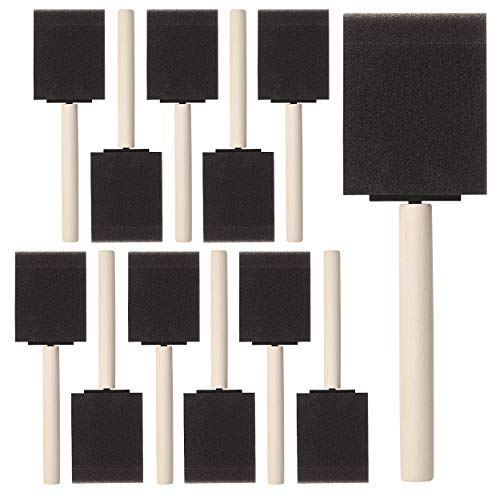
The Bates Choice 2-inch foam brushes come in a 16-pack, providing bulk value for projects with multiple components or touch-ups. The design aims for even distribution with fewer strokes, compatible with paints and varnishes alike. They’re versatile for crafts, window frames, door jams, and other narrow or detailed areas. The foam is designed to be absorbent and quick-drying, helping to manage coats without excessive pooling. While economical, the brushes still offer a reliable finish for polyurethane applications where speed and efficiency matter.
PRO-GRADE Foam Brushes 2-Inch (48 Piece)
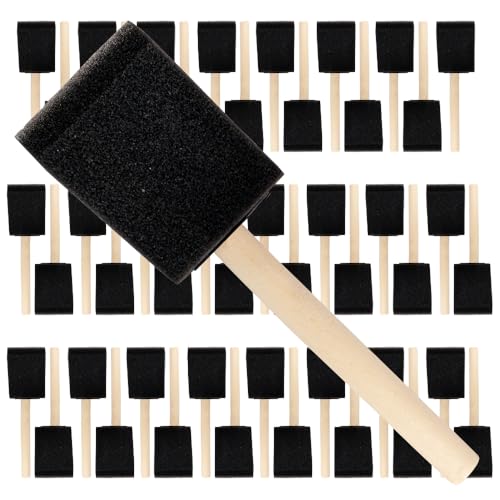
This set from PRO-GRADE offers a bulk option with 48 two-inch brushes. They’re designed for painting, staining, glue applications, and other crafts where disposable tools are beneficial. The foam is lightweight and suitable for quick coverage across small areas. They’re particularly useful for projects requiring multiple coats or trial runs, where clean-up speed and cost efficiency are priorities. The combination of poly foam material and wooden handles makes them easy to handle, though long-term reuse is generally not the goal with these brushes.
Wooster Foam King 2-Inch
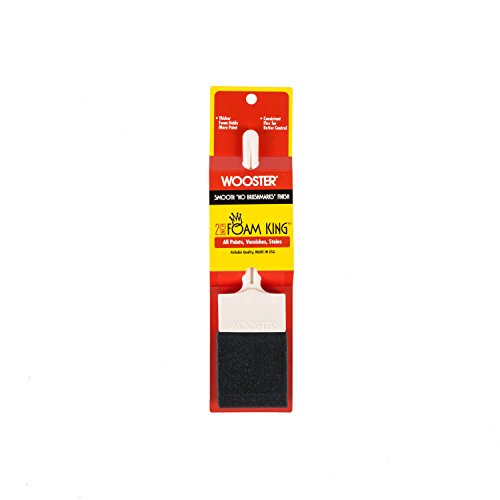
The Wooster 3103-2 Foam King is another reliable option from a trusted brand. It emphasizes high-quality US-made production, a thick foam for smooth finishes, and a white plastic handle with a built-in stiffener for consistent flex. It’s well-suited for polyurethane applications that demand an even layer without visible brush strokes. The Foam King line is noted for its balance between price and performance, making it a practical choice for hobbyists and professionals who want reliable results without overspending.
PRO-GRADE Foam Brushes 3-Inch (36 Piece)

The 3-inch Pro Grade set expands the range for larger flat surfaces and trim work. These brushes are designed for versatility across paints, stains, varnishes, glues, and crafting applications. The foam cells provide good absorption and distribution, while the lightweight wooden handles reduce fatigue during longer sessions. They’re particularly useful for cabinetry, furniture panels, and other wider surfaces where a 3-inch brush helps achieve even coverage with minimal streaks. The set’s value lies in its broad coverage plus the ease of use and disposal when appropriate for the project.
Buying Guide: Foam Brushes For Polyurethane
Choosing the right foam brush for polyurethane involves balancing performance, cost, and project scope. Consider these key purchase factors to determine the best fit for your needs:
- Brush size and surface area: Larger brushes (2–3 inches) cover flat panels quickly, while smaller brushes (1–2 inches) are better for edges, corners, and detailed work. For polyurethane, a mix of both often yields the best results.
- Foam quality and density: Denser polyurethane foam reduces sagging and helps create a smooth, even coat. Cheaper foams may shed or leave micro-lines if used with multiple coats.
- Handle design and comfort: Ergonomic handles with adequate length make longer sessions more comfortable. Built-in stiffeners help maintain consistent brush width and prevent flutter on vertical surfaces.
- Disposable vs. reusable: Disposable foam brushes are convenient for single-use projects or quick job changes. Reusable foam brushes require careful cleaning to extend life but can reduce long-term costs for recurring work.
- Project type and finish: For polyurethane, you want brushes that minimize brush marks and over-absorption. Look for brushes advertised for varnishes, polyurethane, and glues, as these materials often require stiffer foam.
- Brand and availability: Reputable brands (like Wooster and Pro Grade) offer consistent performance and widely available replacements, which helps with ongoing projects.
- Clean-up and maintenance: Foam brushes are easy to clean with soap and water if they’re not disposable. Avoid soaking for long periods to preserve foam integrity and avoid crumbling.
Practical usage tips:
- Test a small area first to gauge absorption and drying time, especially on stain coats or porously finished woods.
- Apply polyurethane in thin, even coats to minimize drips and sanding between coats.
- Maintain a steady angle and smooth strokes to reduce brush marks; using a damp sponge can help feather edges in some cases.
- Allow adequate drying time between coats according to product directions before applying subsequent layers.
Across these options, users commonly weigh cost against performance. For larger projects or frequent refinishing, investing in higher-quality foam brushes can yield better finishes and longer tool life, while disposable sets are ideal for small projects or experiments with different polyurethane formulations.