Choosing the right glue for model cars depends on material, bond strength, cure time, and ease of use. This guide highlights top CA and cement glues suited for hobbyists who build scale models, restorations, or repairs. Each product is evaluated for fast, reliable bonding, clean finishes, and minimal mess, with an emphasis on polystyrene models and detail work. Use the table below to compare the featured glues at a glance.
| Product | Brand | Key Benefit |
|---|---|---|
| Starbond Medium CA Glue Pro Kit | STARBOND | Fast set, clog-resistant, multiple nozzles |
| 20g Thin CA Glue | ALECPEA | Ultra-thin viscosity for tight spaces |
| Testors Cement Plastic Model Glue Adhesive 2-Pack | GRAS Art Bundles | Two-pack cement for plastic models |
| Clear Parts Cement-1oz | Testors | Dries clear, ideal for windows |
| Protado Plastic Glue | Protado | Heavy-duty, fast-bonding, precision nozzle |
Starbond Medium Super Glue Pro Kit

STARBOND’s Medium CA Glue is designed for durable, quick-bonding performance with a 10-15 second set time. It’s formulated for reliability in hobby applications, including woodworking and model building, and ships with a clog-prevention cap, multiple microtips, and an extra nozzle to access tight joints. The kit emphasizes freshness from smaller-batch production and includes a user guide with tutorial access. Ideal for plastic, resin, and wood-to-wood bonds common in model cars, this glue balances speed with the opportunity to adjust placement.
20g Thin CA Glue (2-3 CPS)

This ultra-thin CA glue has a water-like viscosity (2-3 CPS) that helps it wick into tight gaps and micro-cracks on scale models. Aimed at precision work, it includes precision micro-tips for controlled application and rapid curing on small components. The bond cures quickly and fully, supporting intricate detailing while creating a strong, lasting hold across various materials such as wood, metal, plastic, glass, and leather components commonly found in model car builds.
Testors Cement Plastic Model Glue Adhesive 2-Pack

Testors’ Cement Glue for plastics is a two-pack offering designed for polystyrene and similar plastics used in hobby models. It’s known for a strong, lasting hold and is commonly used for car body kits, chassis, and detail parts. The included packing supports convenient use for multiple projects, and the cement dries relatively quickly, enabling efficient assembly of small-scale components. This option is well-suited for hobbyists prioritizing a reliable, traditional cement bond over CA’s instantaneous set.
Testors Clear Parts Cement-1oz
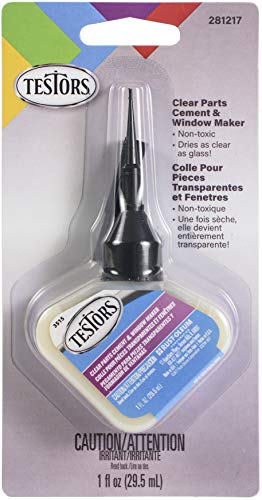
Specially formulated for joining polystyrene plastics, this cement dries clear and can be used to create small windows or clear-glass effects for model cars and planes. Its clear-drying characteristic helps preserve the visual integrity of transparent parts like windshields and headlamps, reducing visible glue lines. It’s a practical choice when aesthetics are important and precise alignment is needed for glazing components.
Meuvcol Super Glue for Plastic 100g

Meuvcol Plastic Glue is designed for a wide range of plastics including PLA, ABS, PVC, and acrylic, making it versatile for model car kits and accompanying parts. It emphasizes quick bonding and robust durability, suitable for fast repairs or detailed assembly. The formula supports strong adhesion on varied substrates, with a focus on streamlined application for controlled, precise joins in tight spaces often encountered in scale model projects.
Protado Plastic Glue

Protado Plastic Glue is described as an ultimate repair solution for plastics, delivering strong, fast bonds with a precision nozzle for drip-free, accurate application. It’s suitable for repairs on toys, models, and vehicle parts made from ABS, PVC, PLA, or nylon. Fast-setting chemistry helps minimize handling time, while the clear, strong bond is favored for visible joints on model cars where aesthetics matter and resins or plastics require careful alignment.
Buying Guide: Key Purchase Considerations For Model Car Glue
Material compatibility matters: Polystyrene, ABS, PVC, and resin models each bond differently. Cement glues are often ideal for polystyrene, while CA (cyanoacrylate) glues excel in tight joints and quick fixes. Consider the bond line visibility; clear-drying formulas and low-odor options reduce visual impact on finished models.
Set time vs. repositioning: If you need wiggle room to align parts, choose a CA glue with a longer open time or a cement that allows repositioning before fully setting. Some CA glues include microtips and separate nozzles to improve control in small areas.
Application control: Precision tips, microtips, and clog-prevention caps help keep glue clean and reduce mess during delicate assembly. A precision applicator is especially useful for tiny car parts, windows, and interior details.
Durability and reliability: For frequent handling or repairs, select products designed for durable holds across materials like wood, metal, and various plastics. Some glues offer rapid bonding with full cure times within hours or 24 hours for maximum strength.
Finish and aesthetics: Look for glues that dry clear or dry with minimal gloss to preserve the model’s appearance. This is important for exterior surfaces, windows, and decals where visible glue lines detract from realism.
That combination of bond strength, precision, and finish helps ensure a model car project remains sturdy while maintaining clean, accurate detail across all components.