Whether you’re sewing a rugged tote, a rain-ready backpack, or a weatherproof outdoor cover, choosing the right waterproof fabric is essential. This guide highlights five top picks that balance durability, water resistance, and ease of sewing, helping American crafters build bags that withstand rain, splashes, and everyday wear. Each option below is suitable for bags, tents, or DIY projects, with practical notes on coating, weight, and tear resistance.
Summary of Selected Products
- Vonty Waterproof Fabric Ripstop Nylon (60 Inch Wide, 1 Yard) — Lightweight, tear-resistant nylon with waterproof coating.
- RUDONG M Ripstop Nylon Fabric by The Yard (58 Inch Wide) — Waterproof ripstop nylon, easy to cut and sew.
- TeeLiy Waterproof Canvas Fabric (58″ Wide, 600D) — Water-repellent canvas with durable polyester backing.
- Konelia Nylon Fabric (58″W, 420D) — Nylon with waterproof coating, suitable for upholstery-like bag projects.
- OTraki Wet Bag 2Pcs (12×16 inch) — Waterproof wet-dry bag for on-the-go organization and travel.
Vonty Waterproof Fabric Ripstop Nylon For Bags

The Vonty ripstop nylon fabric offers a waterproof coating on a lightweight 60-inch-wide material, making it well-suited for bag exteriors, picnic blankets, and lightweight raincoats. The tear-resistant construction combines durability with a softer hand than typical nylon, helping bags hold their shape while resisting rips. Its color variety helps match kit aesthetics for outdoor gear and travel bags. The coating provides protection against wind and moisture, while the fabric remains easy to handle for sewing projects and hobbyist stitching.
Key considerations for this option include the balance between weight and protection. For larger bags, you may appreciate the wide width, reducing seams. A downside to monitor is how the coating wears over time with heavy abrasion; testing a swatch on your specific project helps predict long-term performance.
RUDONG M Ripstop Nylon Fabric For DIY Bags

RUDONG M’sRipstop Nylon Fabric comes in a 1-yard length and 58-inch width, designed for outdoor clothing, bags, flags, and crafts. It offers waterproofing with tear- and wear-resistance, while remaining easy to cut and sew. The fabric dries quickly and suits projects requiring windproof or rainproof performance. The smooth texture supports clean seams and precise stitching for bag panels, pockets, or rain covers.
For bag makers, this fabric’s versatility is appealing, allowing you to craft rainproof backpacks or totes with minimal bulk. The fabric’s light weight helps keep carry weights down, though you’ll want to confirm seam sealing for prolonged exposure to rain. It pairs well with waterproof zippers and reinforced stitching to maximize durability.
TeeLiy Waterproof Canvas Fabric For Outdoor Bags

This TeeLiy canvas fabric blends 100% polyester with a lotus-leaf-inspired water-repellent coating, delivering a durable, weather-resistant surface ideal for outdoor bags and furniture covers. At 58 x 36 inches per yard and 600D, it offers good abrasion resistance and structure for bag panels, making it a solid choice for backpacks, tote bags, and outdoor organizers. The coating resists rain and splashes, while the back coating helps reduce scratching and wear.
What to watch for: canvas-based fabrics can be stiffer than nylon, affecting drape and pliability in curved bag shapes. Consider interlining or lighter interfacing to help keep form without sacrificing water resistance. For best results, seal all seams and test edge finishes before committing to a full project.
Konelia Nylon Fabric For Custom Bags
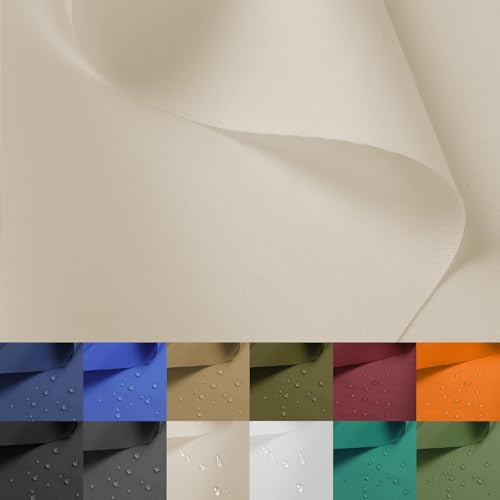
The Konelia nylon fabric is a 58-inch-wide, 420D material with a waterproof coating designed for outdoor upholstery and bag projects. It balances durability with flexibility, making it suitable for tote bags, purses, and protective covers. As with similar nylon fabrics, you’ll get strong tear resistance with a softer overall feel compared to heavier vinyl or coated textiles. The coating enhances water resistance, helping bags shed rain and splashes.
Practical notes: the fabric is described as water-resistant rather than fully waterproof, so sealing internal seams and adding a protective lining can extend performance. It’s a favorable option if you want a more refined look with a fabric-like finish rather than a glossy coat.
OTraki Wet Bag Pack For Travel And Gym

While primarily a set of waterproof wet bags, the OTraki options are designed for organizing damp or dirty clothes on the go. The 12×16 inch size and TPU-coated inner lining maximize water resistance and minimize leakage. The construction emphasizes practical, travel-ready use with handles and zippers for easy access. These bags illustrate how waterproof fabrics translate into durable, functional accessories that complement sewn bags or travel kits.
These items reflect a range of waterproof performance: from rugged nylon ripstop to coated canvas and everyday wet-dry bags. Each product provides different strengths—ease of sewing, weight, flexibility, and level of water protection—so your choice depends on the project type, climate, and intended use. Keep in mind seam sealing, edge treatments, and compatible zippers when crafting a long-lasting bag.
Buying Guide: Key Purchase Considerations For Waterproof Bag Fabrics
Durability vs. weight: Heavier fabrics like canvas and thick nylon offer great durability but can add weight to bags. Lighter ripstop nylons provide portability with respectable water resistance, ideal for daypacks and travel pouches.
Water protection level: Some fabrics are waterproof (or highly water-resistant) due to coatings, while others are water-repellent. Decide if you need full waterproofing for prolonged rain or splash resistance for general outdoor use. Consider interior linings or seam sealing for enhanced protection.
Seam and edge handling: Seams are common failure points in waterproof bags. Look for fabrics that allow strong seam sealing, and plan for using sealing tape, heat sealing, or welding where appropriate. Zipper design and placement also impact water ingress.
Handling and sewability: Some coated fabrics are stiff or slippery, affecting cutting and stitching. Nylon ripstop generally sews well with standard sewing machines, while canvas requires more robust needles and potentially heavier interfacing for structure.
Durability in use-case: If the bag will be exposed to abrasion, consider fabrics with higher abrasion resistance and tear strength. Outdoor bags, gear organizers, or tent covers benefit from fabrics designed for heavy use and weather exposure.
Care and maintenance: Consider fabrics that clean easily and dry quickly after exposure to moisture. Some coatings may scratch or wear over time; plan for repair options or protective linings to extend life.
Color and finish: Aesthetic compatibility matters when matching with other gear. Nylon and canvas fabrics come in multiple colors and finishes, enabling you to customize your bag’s look while maintaining weather resistance.
Budget and availability: Availability by the yard varies by supplier, and large projects may require ordering in multiple batches. Compare price-per-yard, shipping costs, and lead times to keep your project on track.
Summary: For bag projects, consider a balanced mix of tear resistance, coating performance, and sewability. Nylon ripstop fabrics provide flexibility and a lightweight option, while coated canvas offers durability and a traditional feel. Wet-dry bags demonstrate practical on-the-go waterproofing that can inspire bag linings and organizational features. Always test a sample swatch on your intended sewing machine and with your preferred thread and zippers before committing to a full build.